Why Pressure Breaks Most Players — And Makes a Few of Them Legends
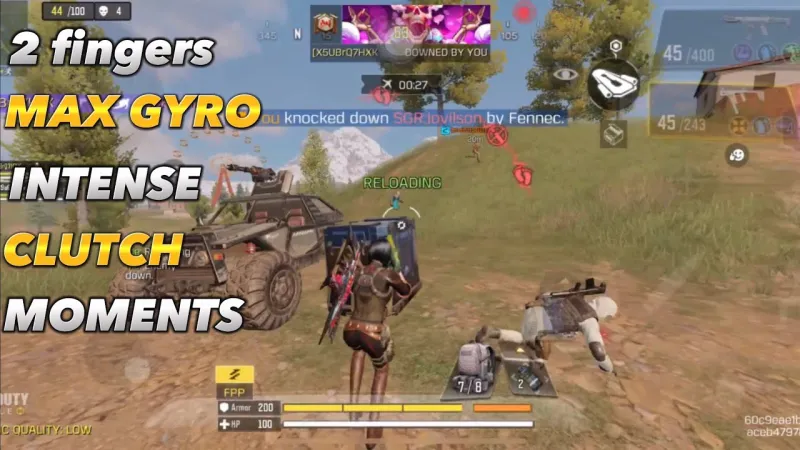
Photo: mobile gamer intense focus competitive gaming clutch moment, via i.ytimg.com
There's a specific kind of Brawl Stars clip that stops your thumb mid-scroll. It's not the highlight reel opener where someone steamrolls three players in a row. It's the one where the gem carrier is down to two seconds, the score is tied, and somehow — somehow — one player finds the play that nobody in the lobby saw coming.
That moment hits different. And it's not an accident.
After spending time breaking down hundreds of clips here at Brawl Snapshots and talking to creators who've cracked the code on what makes content pop, one pattern keeps showing up: the players who consistently produce shareable moments aren't just skilled. They're wired differently when the match is on the line. Call it the clutch gene. Call it game sense under fire. Whatever you name it, it's the single biggest factor separating content gold from forgettable footage.
The Psychology of the High-Stakes Play
Here's the thing most casual players don't think about — pressure doesn't just affect performance, it affects watchability. When a match is close, when there's genuine tension baked into the game state, viewers feel it too. Sports psychologists have studied this in traditional athletics for decades: audiences mirror the emotional stakes of competitors. Brawl Stars clips are no different.
When you watch a streamer casually farm trophies in a lopsided match, your brain barely registers it. But drop that same player into a one-gem-to-win situation with fifteen seconds left? Now you're leaning forward. Now you're watching for micro-decisions. The tighter the scenario, the more rewatchable every single frame becomes.
Content creators who understand this dynamic don't just stumble into viral clips. They engineer the conditions for them.
How Smart Players Set Up Tension on Purpose
This is where it gets interesting. The best clip-makers in the Brawl Stars community aren't passively waiting for dramatic moments to happen — they're actively steering matches toward the kinds of game states that produce them.
Think about it from a strategic standpoint. A creator running a Brawler like Crow or Mortis in Gem Grab can make choices throughout the mid-game that keep the score close, even when winning outright would be easy. Why? Because a 7-5 gem lead with two minutes left is compelling content. A 14-0 stomp is a ten-second clip that nobody shares twice.
This isn't throwing games. It's playing for narrative. There's a meaningful difference between deliberately losing and deliberately delaying a win to let the tension build. The best players know exactly where that line is, and they walk it with precision.
One creator in the community put it bluntly: "The algorithm doesn't care that you won. It cares that you made people feel something. And nothing makes people feel something like watching a match look lost right before it gets saved."
The Specific Game States That Print Clips
Not all pressure is created equal. After analyzing what actually performs, a few specific scenarios come up again and again as the highest-yield moments for shareable content.
The Final Gem Hold — Someone is carrying gems, almost at the count, and the opposing team is closing in. The visual language here is perfect: one player, multiple threats, a timer everyone understands. This setup requires zero explanation for a new viewer. That accessibility is huge.
The Last-Second Brawl Ball Goal — Nothing in Brawl Stars compresses drama into a shorter window than a goal scored as the clock hits zero. The reaction value alone from the players involved tends to be gold, but the actual moment of the ball crossing the line is visually clean, punchy, and universally understood.
The 1v3 Comeback — This one is riskier to engineer because it requires genuine skill to execute, not just positioning. But when it works? The clip basically makes itself. The reason this format keeps performing is that it defies what viewers expect the outcome to be. Subverted expectations are the engine of shareability.
The Stolen Star Player — In Bounty or similar modes, eliminating the highest-value target when your team is down creates an immediate shift in match momentum that's visible in the score. Viewers can see the swing happen in real time. That visual feedback loop makes the clip feel satisfying in a way that's hard to manufacture artificially.
What Separates a Clutch Player From a Lucky One
This is probably the most important distinction in the whole conversation. Plenty of players get lucky in high-pressure moments. A stray super lands at the perfect time. A misplay by the opponent accidentally creates an opening. These moments can still go viral — chaos is content — but they don't build a reputation.
The creators and competitors who consistently produce under pressure share a few traits that show up regardless of which Brawler they're running. First, they read the game state accurately when it matters most. They're not guessing about where threats are coming from. Second, they make decisions faster than their opponents can adapt. Hesitation in a clutch moment is death, both in-game and visually — nothing kills a clip like a player who pauses when the play is obvious to everyone watching.
Third — and this one is underrated — they commit. A half-executed play looks bad on camera even if it technically works. The players who build audiences on clutch content don't hedge. They go all in on the read they've made, and whether it works or fails, the conviction is visible. That confidence reads clearly through a screen, and viewers respond to it.
The Uncomfortable Truth About Comfort Wins
Here's the part nobody wants to say out loud: dominant victories are almost always boring content. If you're genuinely far ahead of the competition in your trophy range, the matches that would make your highlight reel are going to look effortless. And effortless doesn't make people share clips.
The players who go viral aren't always the most technically skilled in the lobby. They're the ones who operate in the zone where their abilities are genuinely tested. That's where real decisions get made. That's where the body language, the micro-adjustments, the split-second reads all become visible to an audience.
Brawl Stars, maybe more than any other mobile game right now, rewards players who understand that the clip is part of the game. The match you're playing exists on two screens simultaneously — yours and everyone who's going to watch the footage later. The players who internalize that reality are the ones who keep showing up in everyone's feeds.
And the ones who don't? They're out here winning matches nobody remembers.