Turn It Off: The Case for Playing Brawl Stars in Complete Silence
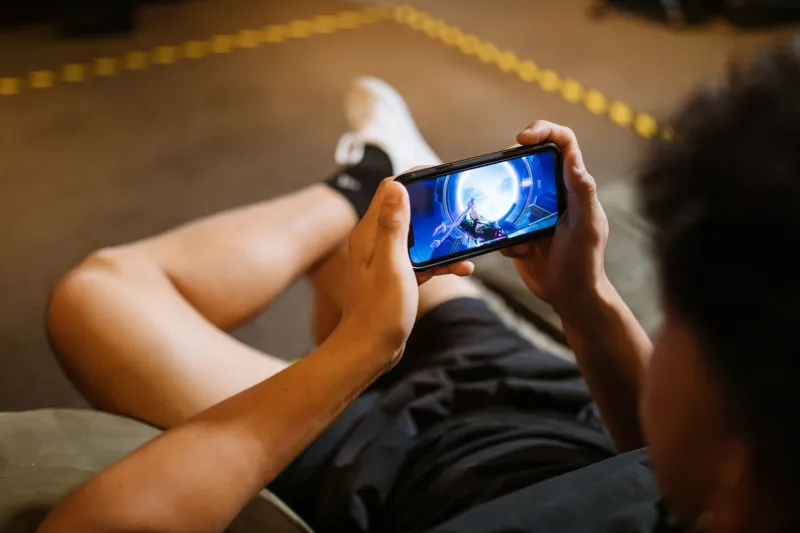
This one's going to sound counterintuitive right out of the gate, so let's just get it out there: muting your game audio might be one of the most underrated ranked grind strategies in Brawl Stars. Not turning it down. Not swapping to a playlist. Actually playing in silence.
Before you close the tab — hear it out. Because the reasoning is grounded in real psychology, backed by what pro players actually do, and it connects directly to the kind of visual awareness that separates the players whose highlights are worth watching from the ones who never quite figure out why they keep stalling at the same rank.
Your Brain Is Splitting Its Resources
Here's the core issue. Every time your brain processes an audio cue — a super charging sound, a brawler voice line, background music shifting — it's pulling a small slice of processing bandwidth away from your visual field. That sounds like no big deal. In practice, it adds up fast.
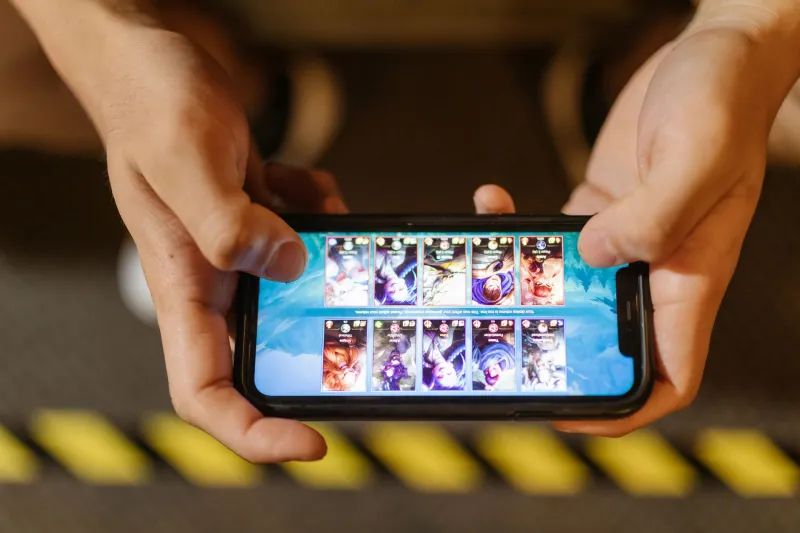
Brawl Stars is fundamentally a visual game. The map, the bushes, the health bars, the super indicators, the positioning of three enemies at once — all of that information lives on your screen. Audio in Brawl Stars is genuinely useful for some things, but a lot of what it delivers is either redundant (you can see what the audio is telling you) or genuinely distracting (music, ambient effects, character quips that trigger at random).
When you strip the audio out, your visual attention sharpens. It's not magic — it's just your brain reallocating resources that were previously split.
What You're Actually Losing (And What You're Not)
Fair question: what does game audio actually give you that matters? In Brawl Stars specifically, the honest answer is less than you'd think.
The audio cues that have genuine strategic value — hearing a super activate off-screen, tracking movement in a bush you can't see — are real. But most experienced players are already reading that information visually before the audio even registers. Super indicators are on the HUD. Bush movement is visible if you're looking at the right part of the map.
What you're mostly losing when you mute is the stuff that isn't helping you: the constant background score, the voice lines that fire when you get a kill, the notification chimes from your phone mixing into the game audio, and the general sensory noise that keeps your brain partially occupied with things that aren't the match.
For newer players, audio cues might be a genuine learning tool. For anyone who's spent real time in ranked, most of that information has already been internalized visually.
The Silence Forces You to See More
Here's where it gets interesting. When you remove audio as a fallback, you start watching the map differently.
A lot of players unconsciously use sound as a substitute for proper map awareness. If something's happening off-screen, they'll catch it when they hear it. Remove that safety net and you're forced to develop the habit of actively scanning rather than passively listening. Your eyes start moving around the map more deliberately. You start reading enemy positioning earlier. You start anticipating plays instead of reacting to them.
This is exactly the skill set that makes highlight clips possible. The plays worth recording aren't the ones where a player reacted to a sound cue — they're the ones where someone read a situation visually, three seconds before it developed, and put themselves in the perfect position to capitalize. That's a visual awareness skill, not an audio skill.
What Pro Habits Actually Look Like
Pro and high-level players across mobile games have talked about this more than the casual community realizes. A recurring theme in how top competitors describe their focus state is the deliberate removal of auditory distraction. Some use music. Some use silence. Very few are relying on game audio as a primary information source.
The common thread is intentionality. They're controlling their sensory environment rather than letting the game's default audio design control it for them. Brawl Stars' audio is designed to feel exciting and satisfying — that's great for casual play, but excitement and competitive focus are not the same thing.
The Notification Problem Is Worse Than You Think
There's a US-specific angle here that's worth addressing. American players tend to game on devices that double as communication hubs — texts, social media alerts, app notifications — and the default behavior is to leave all of that running in the background during a session.
Game audio and notification audio bleed together constantly. Your brain registers every ping, even when you think you're ignoring it. That's cognitive load being spent on absolutely nothing useful. Muting the game is one piece of the puzzle, but the broader practice of creating a distraction-controlled environment during ranked sessions is genuinely undervalued in the mobile gaming community.
How to Actually Try This
If you want to test this without committing fully, here's a practical approach. Pick a session — 10 to 15 games — where you play with the game completely muted. No music replacement, just silence. Pay active attention to how your eyes move across the map compared to your normal sessions.
Most players who try this report the first few games feeling slightly disorienting, followed by a noticeable shift in how much visual information they're processing. By the end of the session, map reading tends to feel more deliberate and less passive.
You don't have to make it permanent. But the exercise alone tends to rewire how you pay attention, even when you go back to normal audio settings. That shift in visual awareness is the whole point — and it's the same awareness that turns ordinary games into clips worth keeping.